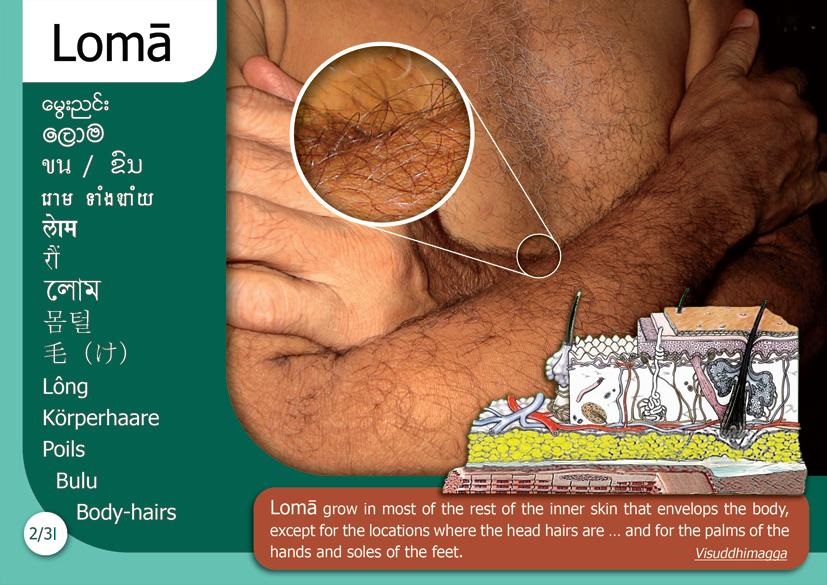
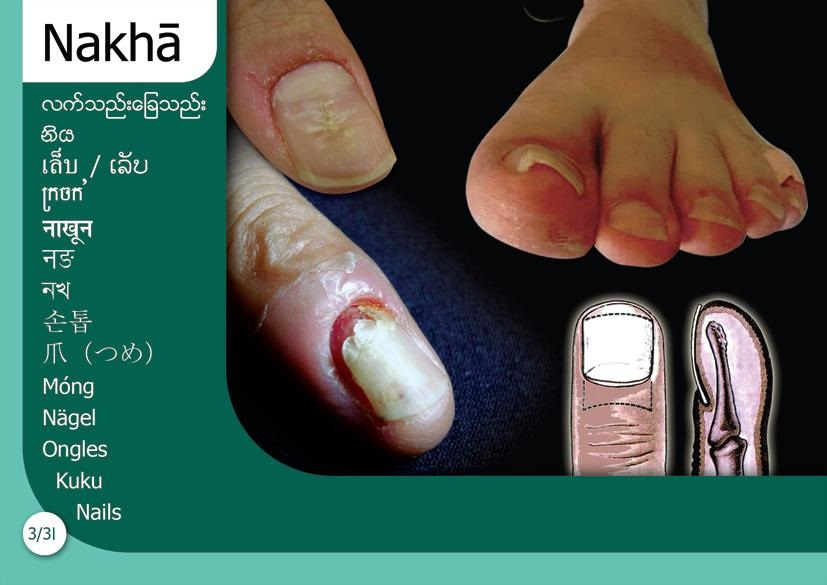
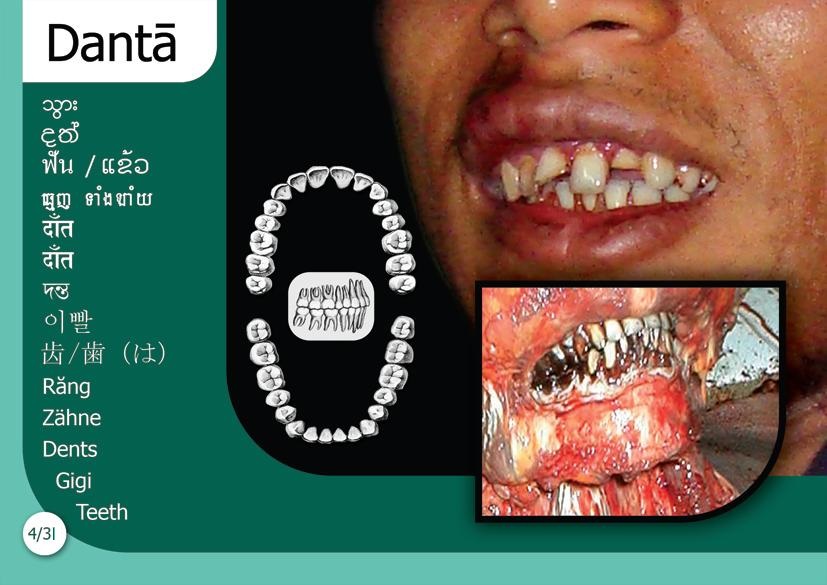
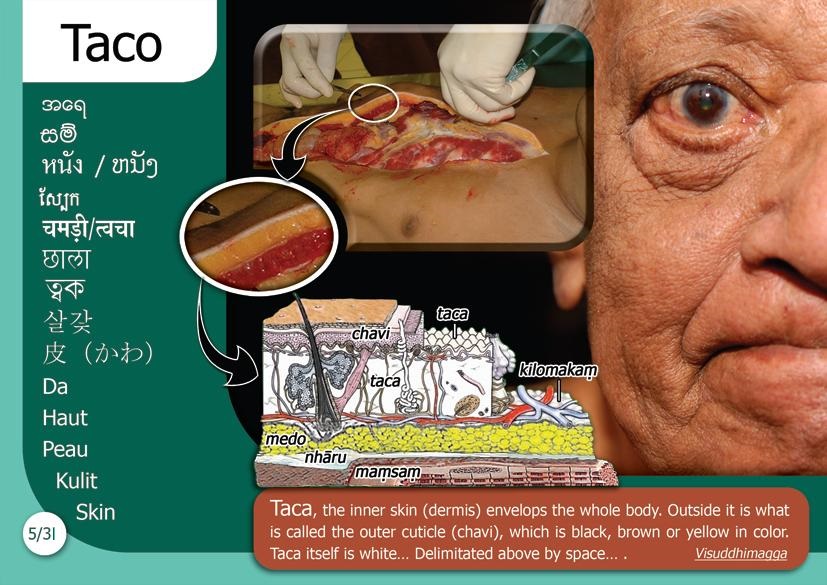
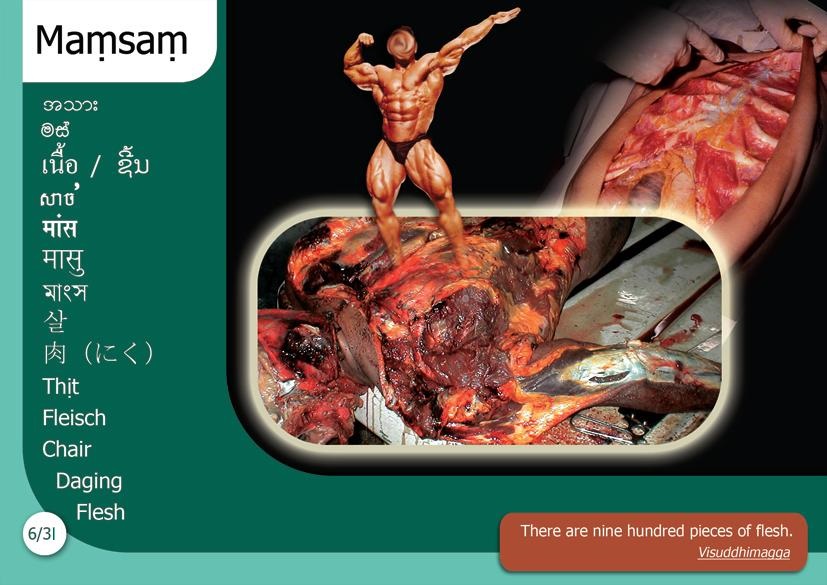
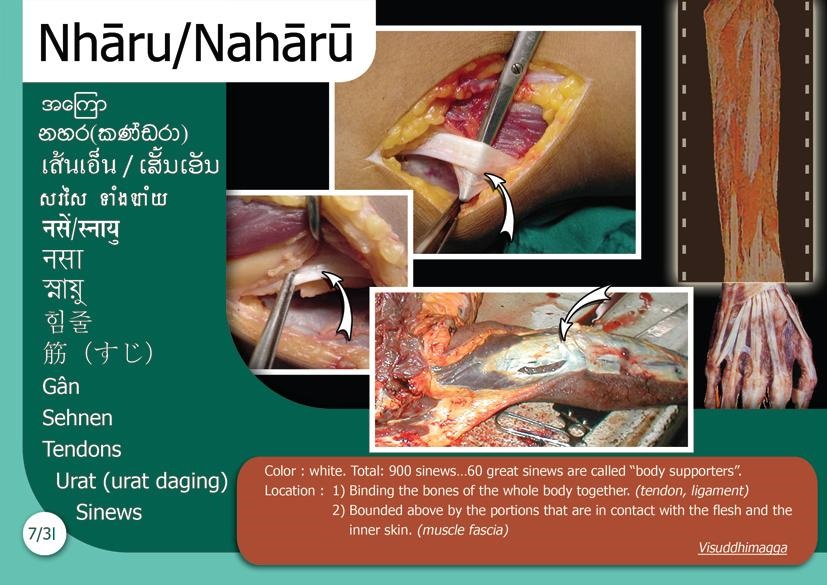
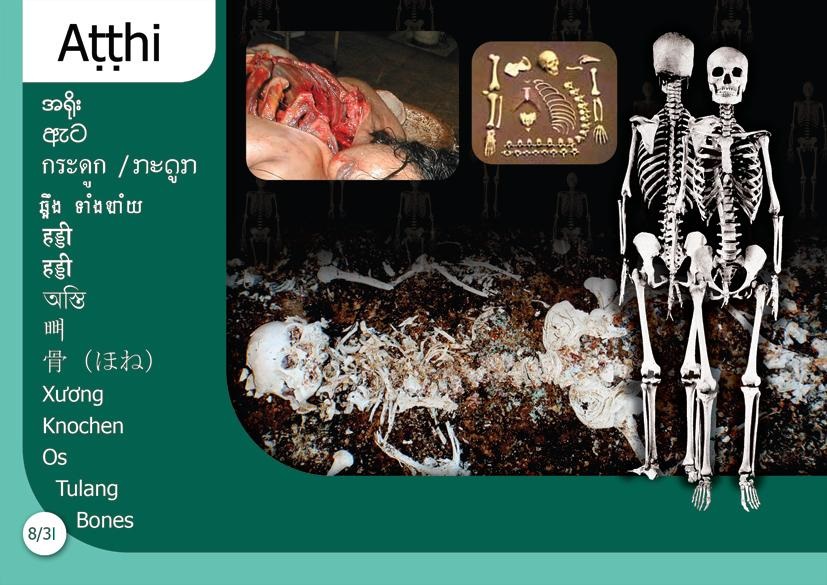
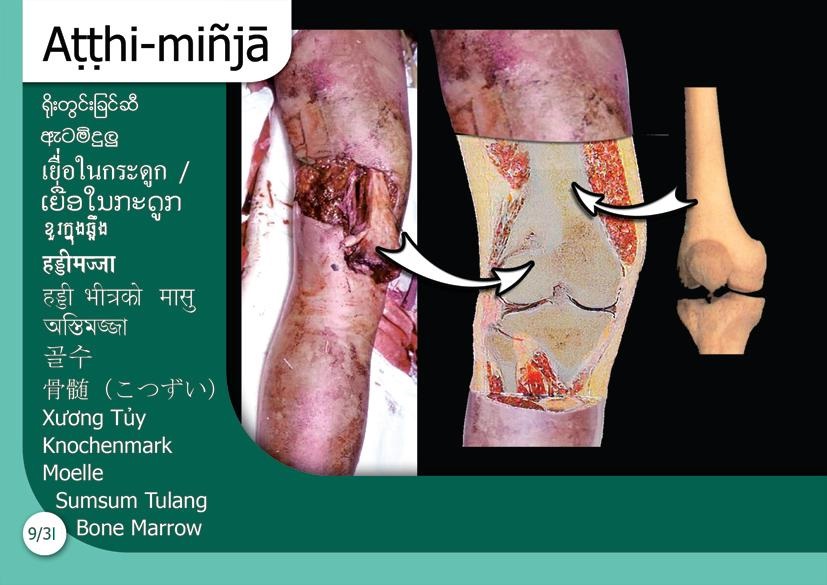
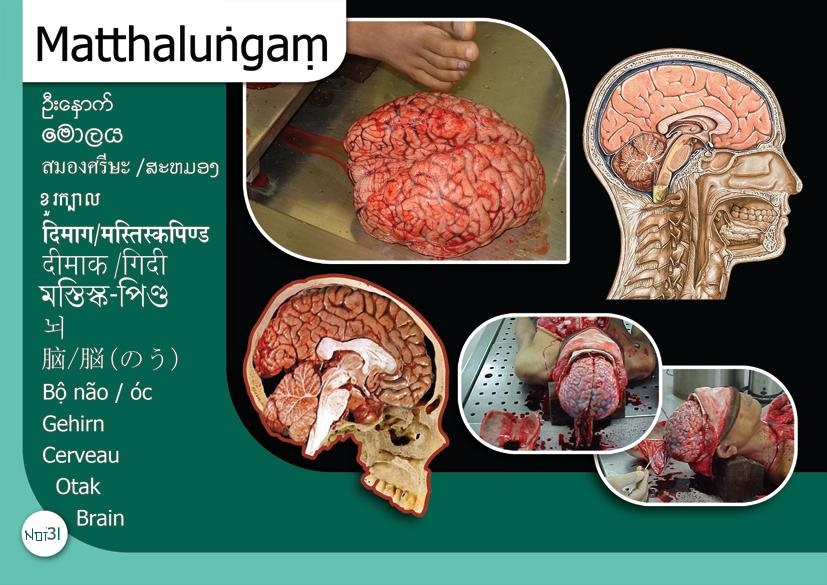
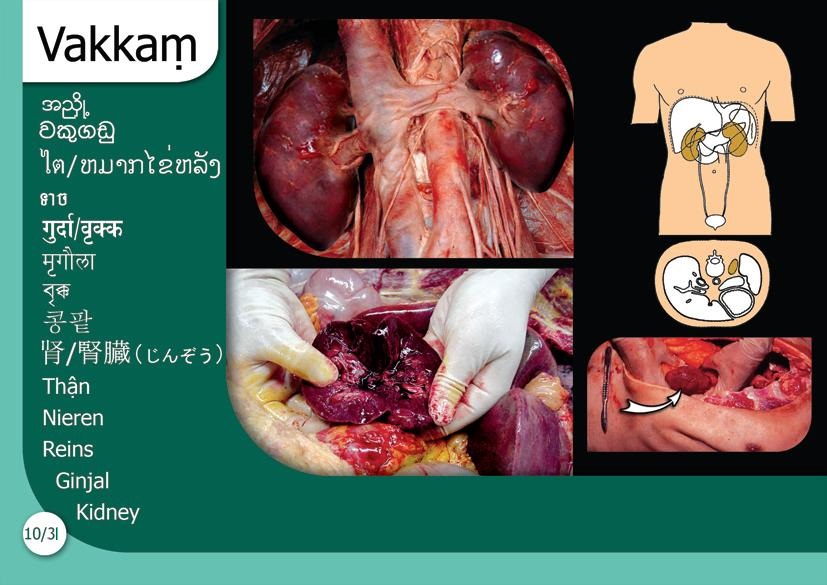
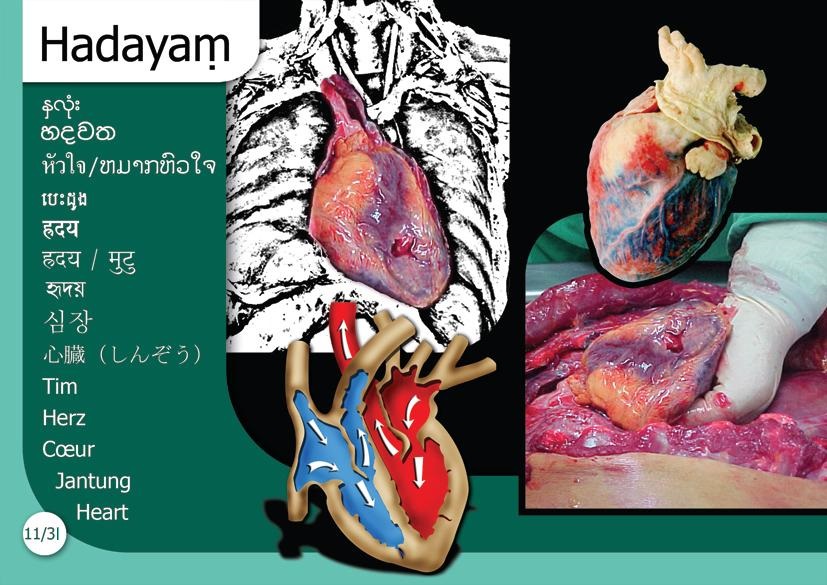
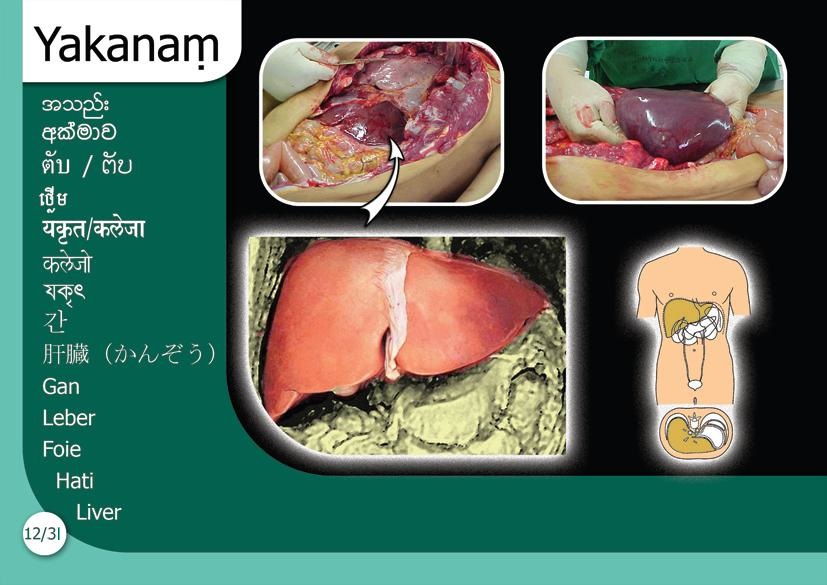
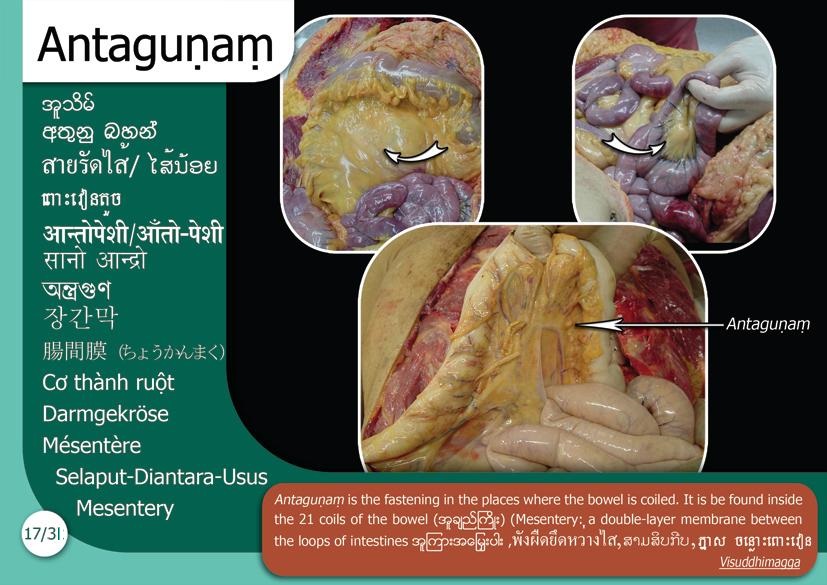
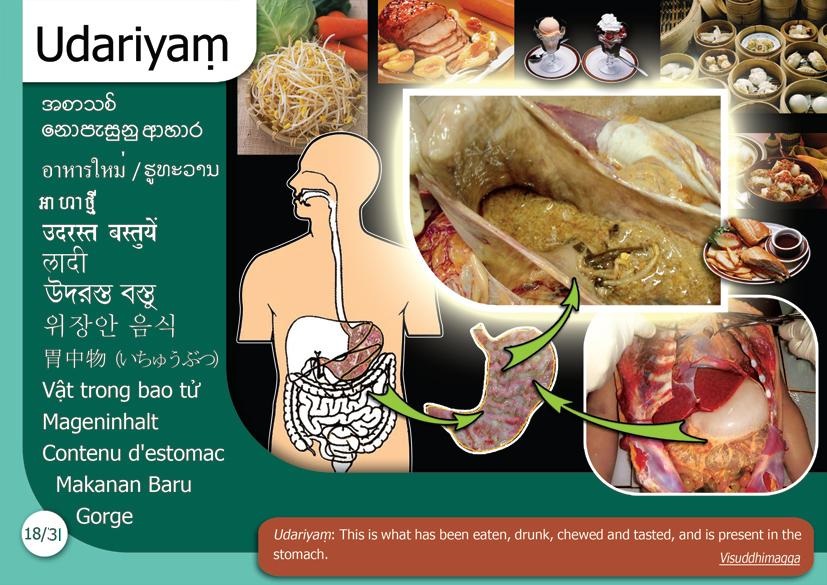
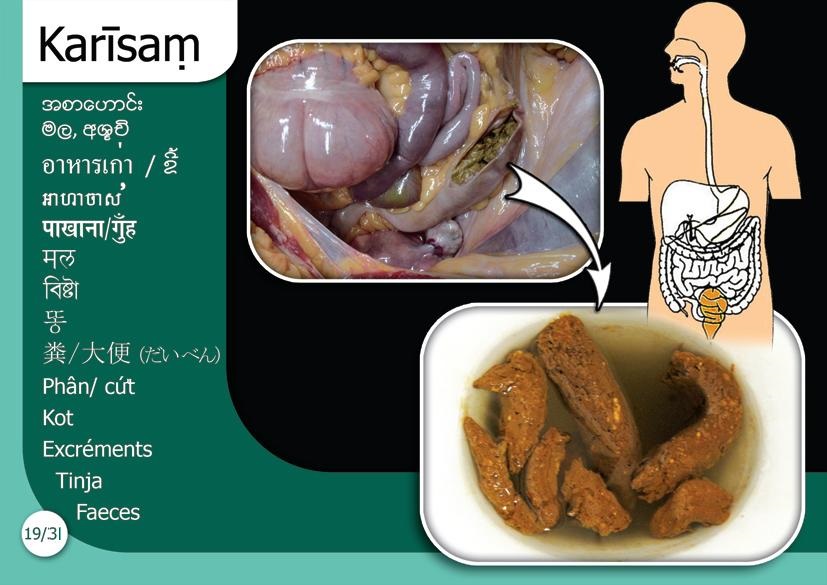
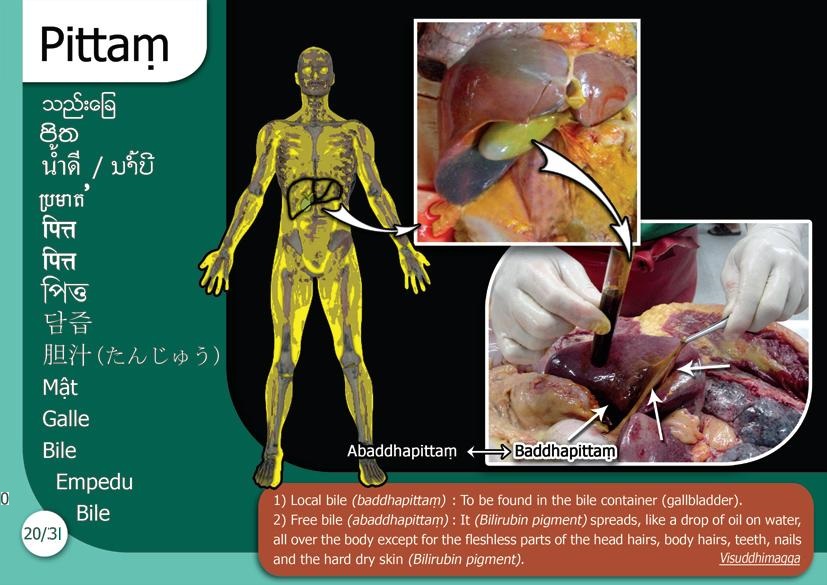
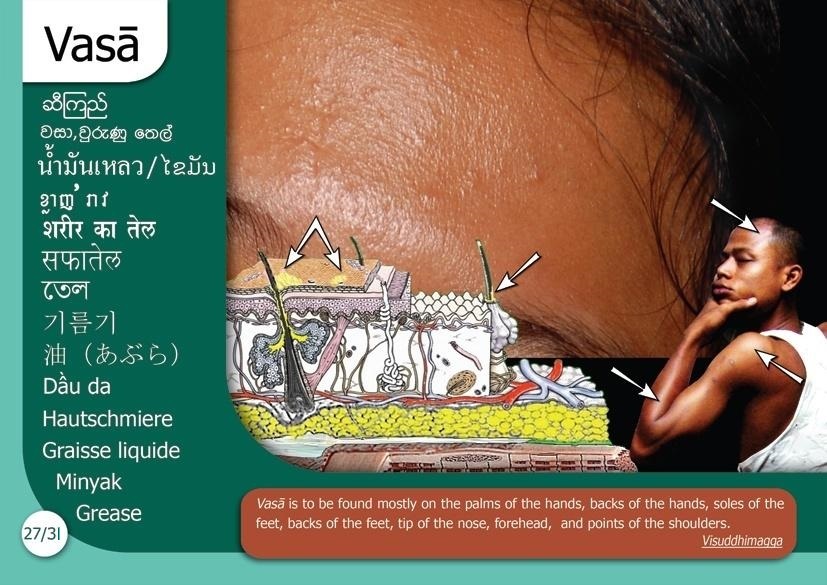
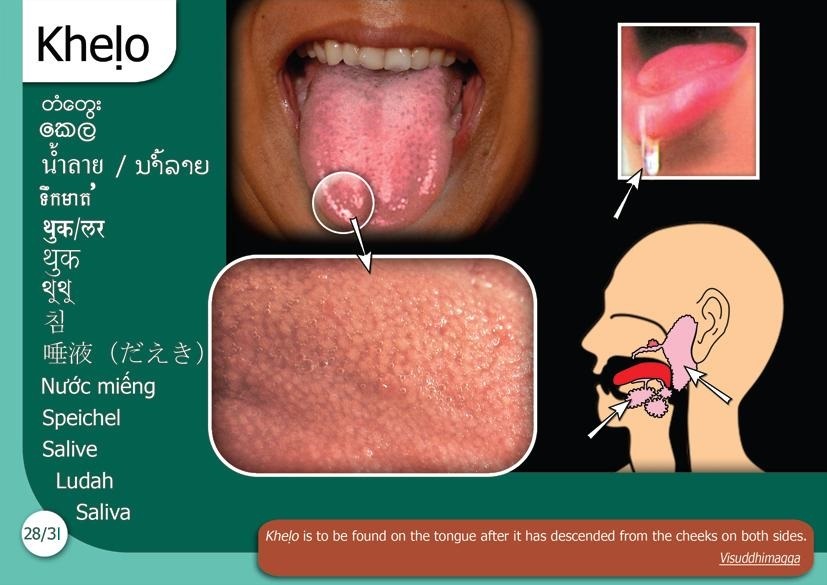
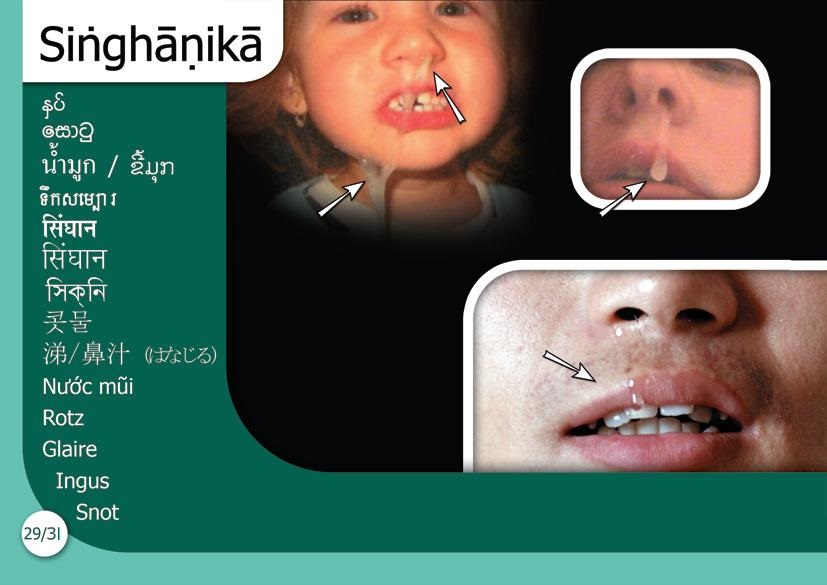
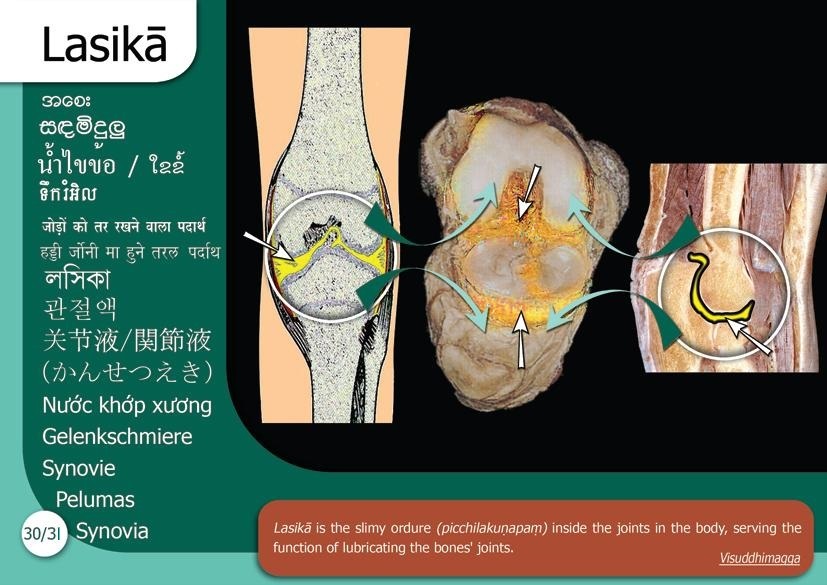
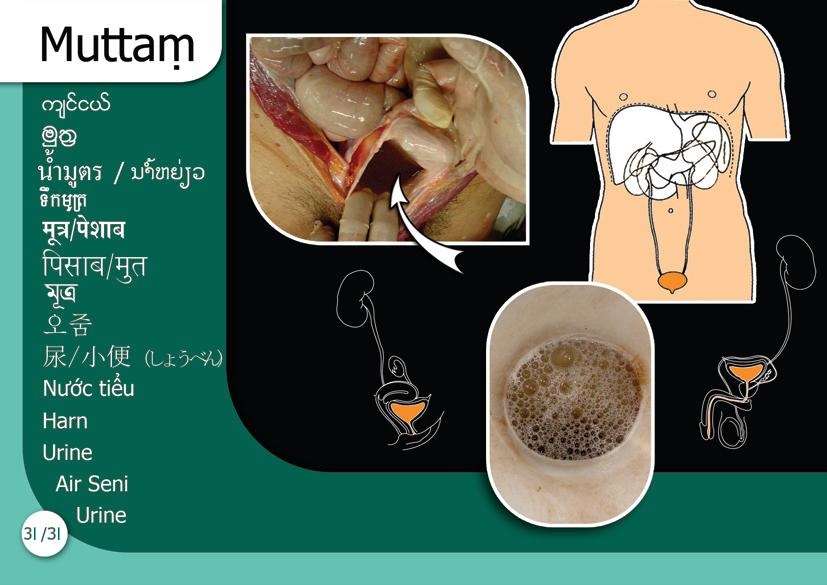
31asb: asubha. There are 31 body parts in EBT Theravada Pali, not 32.


Image result for jedi


In most of the EBT Pali suttas, it's almost always 31 body parts. If a sutta has 32 (brain added in), it's a sure sign of late editing. By the time of Visuddhimagga, 32 body parts had become the new standard.

If we compare to other EBT schools, like the Chinese agamas representing Sarvastivada, mula sarvastivada, and other schools, there doesn't seem to be a set standard on number of body parts, it varies quite a bit. In the MN 10 satipatthana sutta parallels, EA has 25, MA has 28. So who knows how many the Buddha originally designated?

But what's nice about the number 31, there's a nice association with 31 days of a month. There's a  different flavor of asubha for every day of the month. In other words, the number 31 has the added association that you should be thinking about 31 body parts every day of the month, every day of the year.


Vism. and Abhidhamma may have won the previous round.

 Related image


But the duty of the EBT jedi is to take a stand and fight against Dharma corruption.
So, not on my watch.


Related image


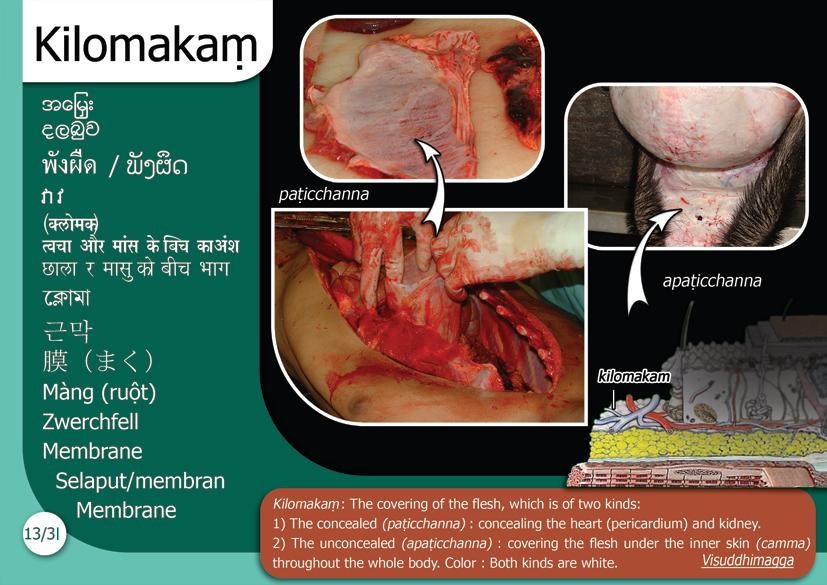
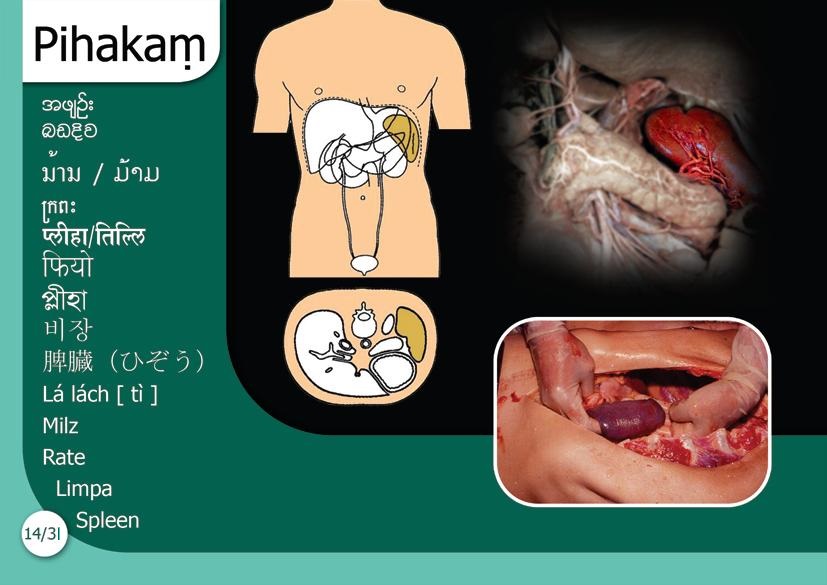
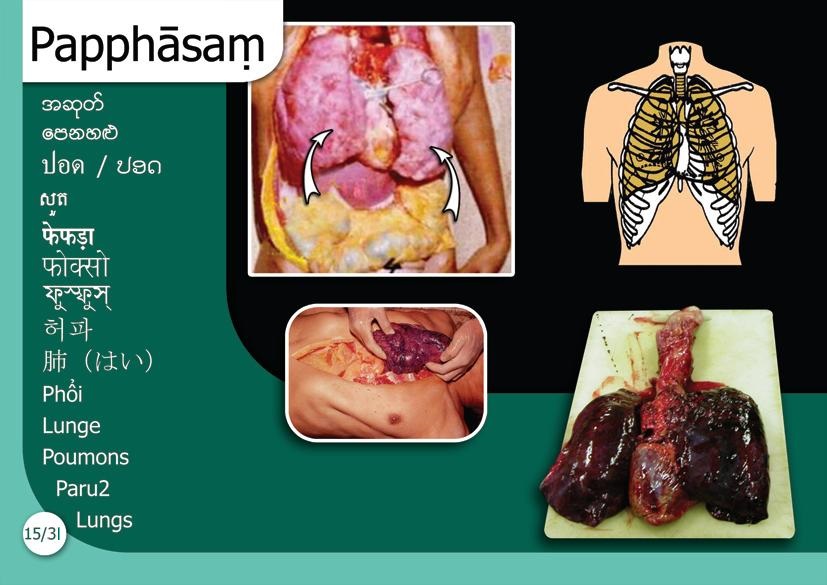
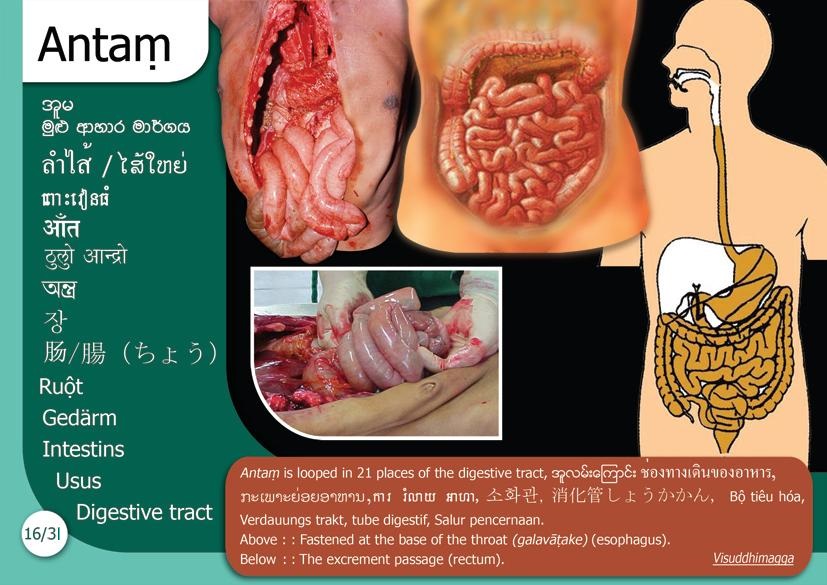
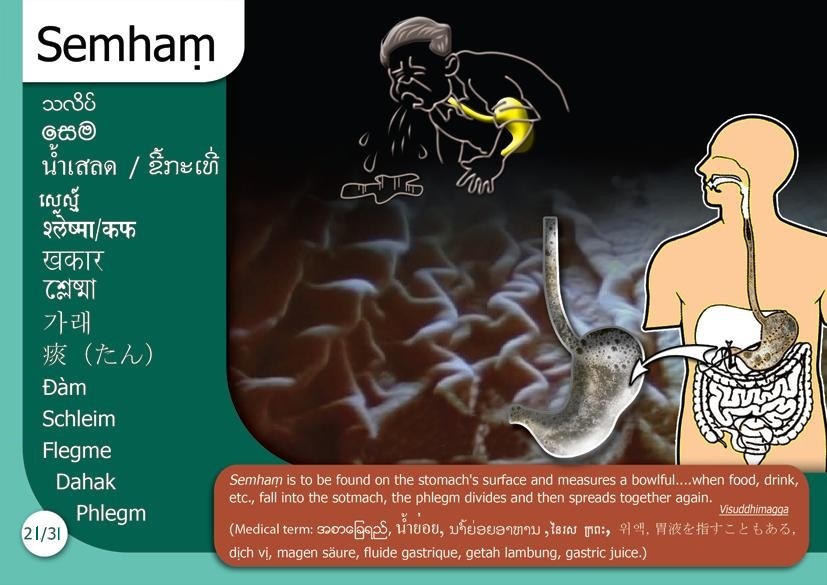
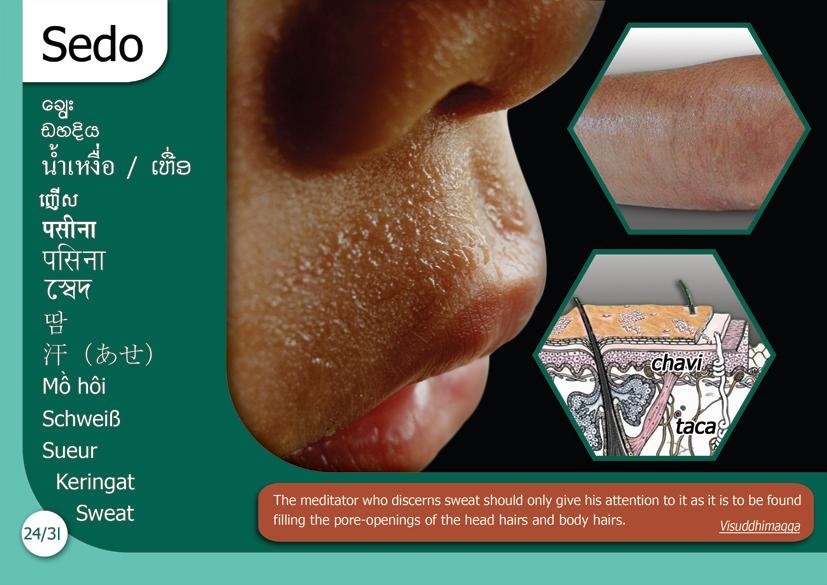
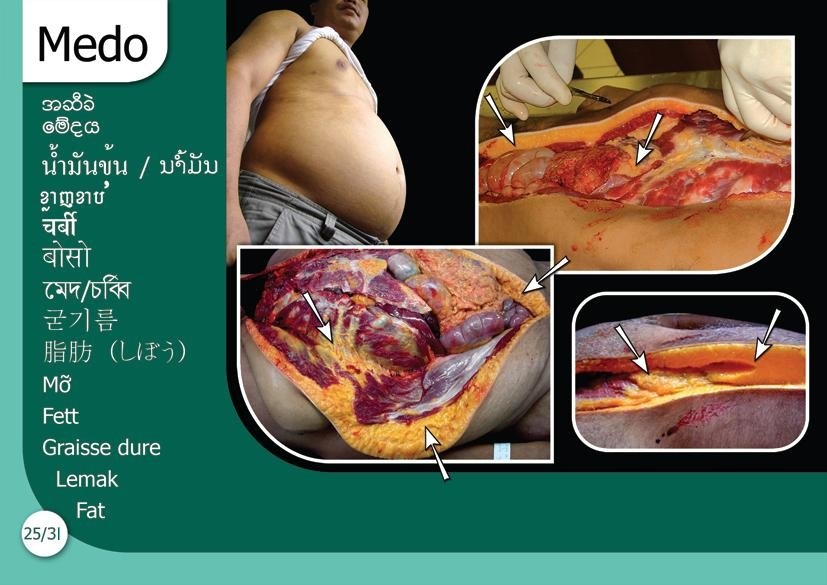
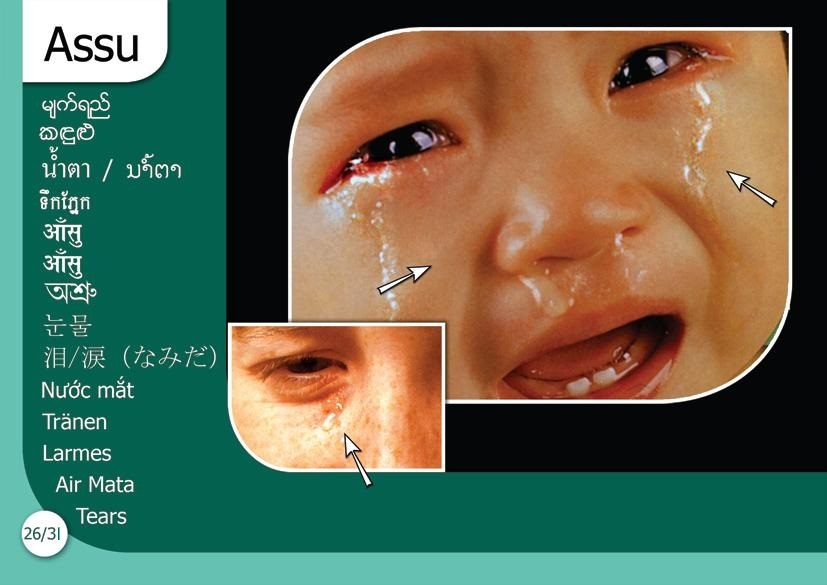
The Pa Auk Vism. Abhidhamma monastic tradition has a nice booklet with color photos with 32 parts. I've taken the liberty of changing it back to 31 body parts, and adding the brain as  #9, combining that as part of bone marrow.  Yes, I've modified all 32 images and renumbered them so they match the Pali EBT tradition.

4šŸ‘‘☸ Cattāri Ariya-saccaṃ 四聖諦

31asb🧟

a-subha

(31) un-attractive [body parts]



☸ Lucid 


Comments

  1. I noticed Thanissaro Bhikkhu has Vakkaṁ translated as Spleen, and Pihakaṁ as Kidneys. Have you seen this reversal in translation with other sources, or do you know why there is this alternate version?
    Thank you.

    ReplyDelete

Post a Comment

Popular posts from this blog

Lucid24.org: What's new?

Link to lucid24.org home page :    4šŸ‘‘☸   Remember, you may have to click the refresh button on your web browser navigation bar at to get updated website. 2025 12-16 2025-12 December: Major update on look and feel of Lucid24.org 2024 9-17 Lots of new stuff in the last 2 and a half years.  Too many to list. Main one justifying new blog entry, is redesign of home page. Before, it was designed to please me, super dense with everything in one master control panel. I've redesigned it to be friendly to newbies and everyone really. Clear structure, more use of space.  At someone's request, I added a lucid24.org google site search at top of home page. 2022 4-14 Major update to lucid24.org, easy navigation of suttas, quicklink: the ramifications 4-2 new feature lucid24.org sutta quick link 3-28 A new translation of SN 38.16, and first jhāna is a lot easier than you think šŸ”—šŸ“notes related to Jhāna force and J.A.S.I. effect AN 9.36, MN 64, MN 111: How does Ajahn Brahm an...

AN 9.36, MN 64, MN 111: How does Ajahn Brahm and Sujato's "Jhāna" work here?

What these 3 suttas have in common, AN 9.36, MN 64, MN 111, is the very interesting feature of explicitly describing doing vipassana, while one is in the jhāna and the first 3 formless attainments. LBT (late buddhist text) apologists, as well as Sujato, Brahm, claim that the suttas describe a jhāna where one enters a disembodied, frozen state, where vipassana is impossible until one emerges from that 'jhāna'.  Since Sujato translated all the suttas, let's take a look at what he translated, and how it supports his interpretation of 'jhāna'.  AN 9.36: Jhānasutta—Bhikkhu Sujato (suttacentral.net) ‘The first absorption is a basis for ending the defilements.’ ‘Paį¹­hamampāhaṁ,   bhikkhave,   jhānaṁ   nissāya   āsavānaṁ   khayaṁ   vadāmÄ«’ti,   iti   kho   panetaṁ   vuttaṁ. That’s what I said, but why did I say it? KiƱcetaṁ   paį¹­icca   vuttaṁ? Take a mendicant who, q uite secluded from sensual pleasures, secluded from unskill...

Pāḷi and Sanskrit definition of Viveka

  'Viveka', Sanskrit dictionary Primary meaning is ‘discrimination’. Other meanings:  (1) true knowledge,  (2) discretion,  (3) right judgement,  (4) the faculty of distinguishing and classifying things according to their real properties’. Wikipedia (sanskrit dictionary entry 'viveka') Viveka (Sanskrit: विवेक, romanized: viveka) is a Sanskrit and Pali term translated into English as discernment or discrimination.[1] According to Rao and Paranjpe, viveka can be explained more fully as: Sense of discrimination; wisdom; discrimination between the real and the unreal, between the self and the non-self, between the permanent and the impermanent; discriminative inquiry; right intuitive discrimination; ever present discrimination between the transient and the permanent.[2]: 348  The Vivekachudamani is an eighth-century Sanskrit poem in dialogue form that addresses the development of viveka. Within the Vedanta tradition, there is also a concept of vichara which is one t...